Before the Leaves Turn: Getting Your Brakes Ready for Fall Driving in the Smokies
September is a good time to think ahead about your vehicle’s brakes. Before the leaves reach their brightest colors and visitors fill the roads around Bryson City, take a few minutes to consider how your vehicle handles steep grades, tight curves, rain, and changing road conditions.
Fall driving in the Smokies is beautiful, but it can be demanding. Wet leaves may cover the pavement, afternoon rain can make shaded roads slick, and heavier tourist traffic often means more sudden stops. Add the elevation changes around mountain roads, and your braking system needs to be ready: not merely adequate.
A professional brake inspection now can help you find small problems before they become stressful, expensive, or unsafe during leaf-peeping season.
Why Fall Mountain Driving Puts More Demands on Your Brakes
Driving on mountain roads is different from commuting on level pavement. Descending a long grade requires repeated braking, and every curve can bring a new change in speed or visibility.
Your brakes may work harder because of:
- Steep descents that generate additional heat
- Frequent braking through winding curves
- Rain-slick pavement and wet leaves
- Heavier traffic from fall travelers
- Extra passengers, luggage, or camping equipment
- Towing or carrying loads through elevation changes
Wet leaves deserve special attention. When they cover the pavement, they can reduce the contact between your tires and the road. That means stopping may take longer, even when your brakes are functioning properly. If your pads are worn, your rotors are damaged, or your brake fluid has absorbed moisture, the loss of traction can make an existing problem much more noticeable.
Good brakes cannot overcome every road condition, but they give you the best possible chance of slowing down predictably when you need to.
Warning Signs Your Vehicle May Need Brake Service
Some brake problems are easy to recognize. Others begin subtly, which is why it is worth paying attention to changes in sound, pedal feel, and vehicle behavior.
Listen for unusual noises
A light squeak does not always mean immediate failure, but it should not be ignored: especially before a season of mountain driving. Persistent squealing may indicate worn brake pads or a problem with the brake hardware.
Grinding is more urgent. It can mean the friction material has worn away and the pad’s metal backing is contacting the rotor. Continuing to drive in that condition can damage additional components and reduce stopping performance.
Pay attention to pedal feel
A healthy brake pedal should feel firm and responsive. A soft or spongy pedal may point to air or moisture in the brake system, a fluid leak, or another hydraulic problem. If the pedal sinks while you hold steady pressure, have the vehicle inspected promptly.
Notice pulling or vibration
Your vehicle should stop in a reasonably straight line. Pulling to one side may result from uneven pad wear, a sticking caliper, or another issue that affects braking balance.
A pulsing brake pedal or steering-wheel vibration during braking can indicate rotor runout, uneven deposits, or heat-related damage. These symptoms can become especially concerning on winding roads, where smooth and predictable braking matters.
Watch for warning lights and smells
An illuminated brake or ABS warning light should never be dismissed. A burning smell after a descent may also indicate overheating or a brake that is dragging. If you see smoke near a wheel, stop in a safe location and arrange for professional help rather than continuing through the mountains.
What a Thorough Brake Inspection Should Include
A proper inspection looks beyond whether the vehicle stops during a short test drive. At BC Automotive, an honest inspection is intended to help you understand what your vehicle needs now, what can wait, and what may become a concern if left unattended.
A complete inspection may include checking:
- Brake pad or shoe thickness and wear patterns
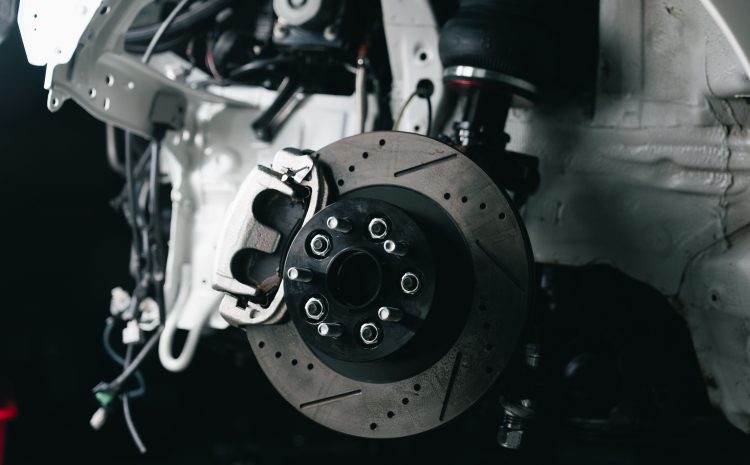
- Rotor or drum condition, including scoring, rust, and heat damage
- Calipers, slide pins, hardware, and boots
- Brake hoses and visible brake lines
- Brake fluid level and condition
- Parking brake operation
- ABS-related warning signs
- Pedal feel, braking response, noise, vibration, and pulling during a road test
Uneven pad wear is particularly important to identify. It can point to a sticking caliper, restricted hose, seized slide pin, or another issue that could cause one wheel to work harder than the others. A vehicle that technically stops may still need attention if braking is inconsistent from side to side.
For more general inspection information, the Wagner Brake system inspection checklist explains why technicians examine fluid, pads, calipers, rotors, and hardware together rather than treating each component as an isolated part.
Do Not Forget Brake Fluid
Drivers often think about pads and rotors first, but brake fluid is just as important to the system’s operation. Over time, brake fluid can absorb moisture. That can lower its boiling point and contribute to a soft pedal or brake fade when the system becomes hot.
This matters on long mountain descents. If you rely heavily on the brakes all the way downhill, the heat can build quickly. Moisture-contaminated fluid may be less able to handle those temperatures.
During a brake inspection, ask whether your fluid level and condition are appropriate for your vehicle. The correct service interval depends on the manufacturer, vehicle age, driving conditions, and fluid condition. If you cannot remember when the fluid was last checked or replaced, a professional evaluation is a sensible place to start.
Prepare for Mountain Roads Before You Leave
Brake service is only one part of fall driving preparation. Your tires provide the traction that allows the brakes to do their job, so check tread depth, inflation, and signs of uneven wear. If you are carrying extra people or gear, stay within your vehicle’s recommended weight limits.
Your driving habits also make a difference.
Use engine braking on long descents
Select a lower gear when appropriate so the engine can help control your speed. This reduces the amount of heat placed on the service brakes.
Avoid riding the brakes
Constant light pressure can keep the pads and rotors hot. When road conditions and traffic allow, controlled braking followed by a complete release gives the system more opportunity to cool.
Increase your following distance
Leave additional space behind the vehicle ahead, especially in rain or when leaves cover the road. More distance gives you time to respond without hard braking.
Slow down before curves
Entering a curve too quickly and braking heavily in the middle of it can reduce stability. Adjust your speed before the turn whenever possible, then maintain a controlled pace through the curve.
BC Automotive has also covered common mountain-braking mistakes in its guide to driving and brake care in the mountains.
Why Choose BC Automotive for Brake Service in Bryson City?
When you are searching for brake service Bryson City drivers can rely on, you want more than a quick replacement recommendation. You want clear communication, fair pricing, and a repair plan based on the actual condition of your vehicle.
BC Automotive is family-owned and locally operated, serving the Bryson City community for over nine years. As a NAPA AutoCare Center, the shop provides brake inspections and repairs for local drivers, families, travelers, light-duty diesel vehicles, and fleet accounts.
The goal is straightforward: help you make an informed decision and get back on the road with confidence. If service is needed, BC Automotive backs qualifying work with a 12,000-Miles / 12-Month Nationwide Warranty.

Schedule Your Fall Brake Inspection Before the Roads Get Busy
The best time to find a brake problem is before you are descending a mountain road in the rain: not after the pedal feels soft or a warning light comes on.
If your vehicle is making noise, pulling, vibrating, or taking longer to stop, schedule an inspection soon. Even if you have not noticed a symptom, a pre-season check can provide peace of mind before weekend drives, family trips, and heavier fall traffic around the Smokies.
For dependable brake service in Bryson City, contact BC Automotive or review the shop’s complete repair and maintenance services. A little preparation now can help you enjoy the changing leaves with safer, more confident stops all season long.